After Donald Trump’s Presidential victory, a far-right tweet triumphantly declaring “Your body, My choice” went viral. This misogynistic phrase all too sadly sums up the debate over abortion rights in the US. But it’s also relevant to the current debate on assisted dying in the UK.
I’ve spent over 50 years campaigning for a woman’s right to choose whether and when she gives birth. I cannot separate that belief, either morally, philosophically or politically, from my belief that I – and all others – must have a right to choose whether and when I live or die.
As a former local councillor, my instincts are those of a politician, but, while it is politicians who are going to decide on whether I can have the right to die at a time of my choosing, my unflinching support for assisted dying is rooted in my lived experience.
Since my late teens I’ve suffered from Crohn’s disease, a condition that is agonising and incurable. I had extensive abdominal surgery in my twenties and again in my forties, resulting in the permanent removal of my bowel and much of my lower intestine. Despite occasional periods of remission, I have lived all of my adult life with intense pain, unpredictable (and potentially fatal) intestinal blockages, and all the problems associated with living with a stoma. When I was first ill, hardly anyone had heard of Crohn’s, and explaining what I was going through was nigh on impossible. I don’t do pity, and nor do I want to listen to others’ squeamishness about my bodily functions…. So I rarely talk about it.
Crohn’s effectively stole the ‘90s and ‘00s from me – I had little energy, depression, brain fog, and only the barest interest in the politics which had been my life for the previous 20 years. When my late husband, Greg, become ill in the mid-‘00s it was a real struggle for me to care for him as I could barely care for myself.
New biological drugs gave me my life back in the early 2010s. But these wonder drugs, which I am still on, bring with them their own risks. Life expectancy for a woman with Crohn’s is nearly a decade less than the average. The biological and immunosuppressant drugs I have taken may be one of the reasons for that reduced life span. And, of course, Covid-19 loves to target those with weakened immunity, and the deadly threat of catching it has limited me to only the occasional trip into the outside world beyond my Estate since 2020. Am I facing another lost decade?
The greatest risk to my life is intestinal blockage caused by the strictures and lesions of my several operations. Getting to hospital for morphine and rehydration is urgent, and even with morphine plus added steroids the pain will continue for several days, and I will be ill for some time afterwards.
Crohn’s isn’t my only ailment. Most of my body is creaking from the effects of nearly 60 years of strong medications along with the wear and tear of age. In fact, these days when asked how I am, I usually respond with “still here” or “how long have you got to listen to my answer?” I officially have multiple chronic and complex comorbidities.

Chronic illness has defined most my adult life, but, just as I have tried not to let it limit what I can do, I have no intention of giving up yet. However, I know that one day the pain may become unbearable, and I want to be able to decide for myself that I don’t want any more of it, that I’m done.
Much of the debate over assisted dying has focused on the state of palliative care – something I know a bit about. Before Greg died of throat cancer at the age of 54, he used to call the palliative care people the “Death Squad”. He had already lost his voice, and he knew that the pain medication on offer would soon take away his personality and identity. For him that would have been a living death, as it would for me. He wasn’t ready to die when he had a fatal arterial haemorrhage, but he had been told to ‘put his affairs in order’ – a chilling euphemism for saying it’s terminal.
Palliative care works for some, but the arguments around assisted dying shouldn’t be a competition between improved palliative care and the right to die. In an advanced society, both should be available and both should be of equally high standard. Nobody should want to die because the palliative care isn’t good enough, or because hospices aren’t receiving the funding they need. On the other hand, nobody should be stopped from dying when they choose. Yes, robust protections must be in place to stop people being coerced into something they don’t want, but this risk isn’t a good enough excuse to deny those of us who truly want the right to choose when to die.
Think of it this way: Would any supporter of abortion rights argue that it should be illegal while we wait for our gynae or maternity services to be improved? Similarly, should the risk of a young women being coerced into an abortion she doesn’t want mean that nobody else should be allowed to have one? The answer is clearly no and, much like abortion, assisted dying will continue to happen, so enshrining rights and protections into law will mean there can be proper safeguards to protect the vulnerable.

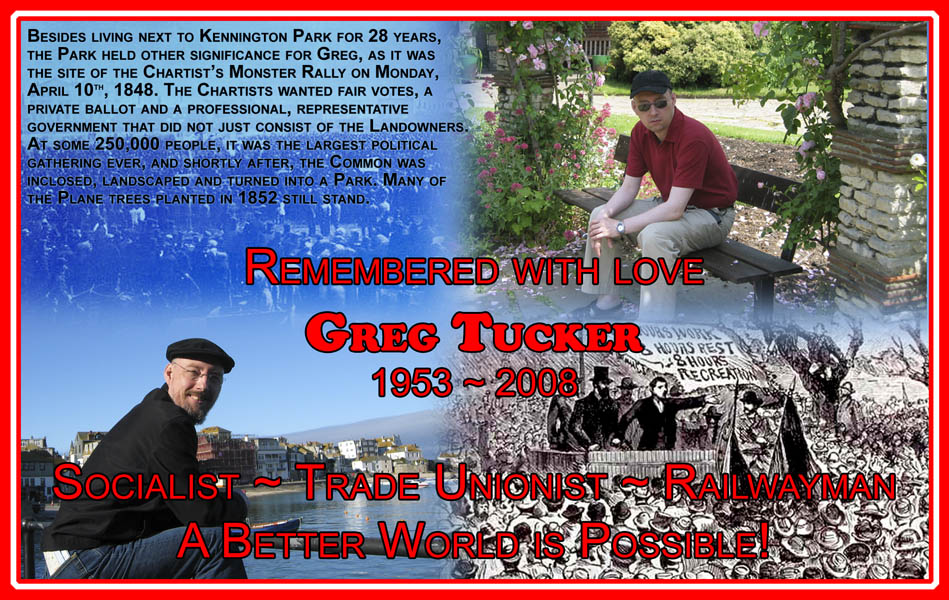
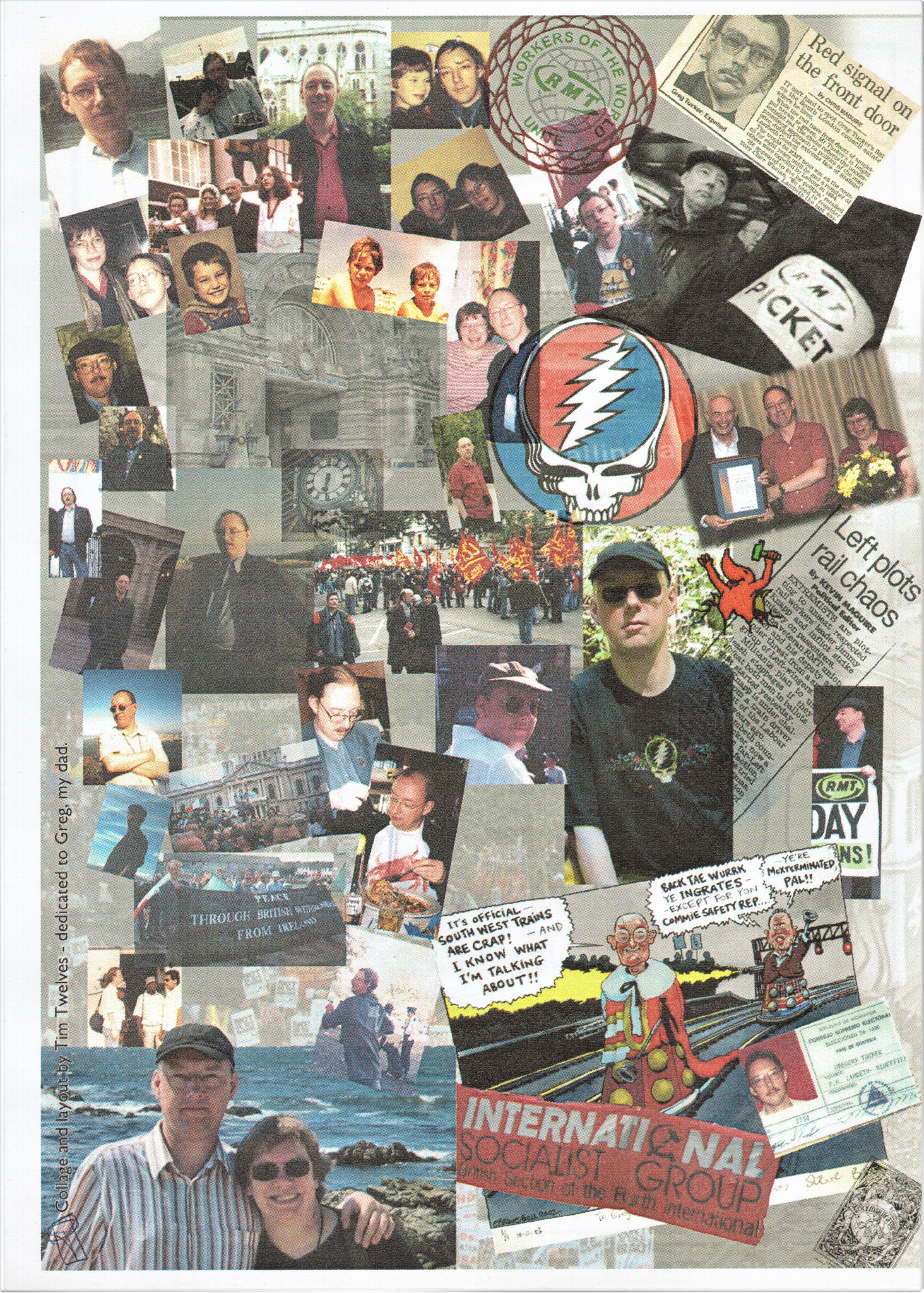
Dedicated to Greg Tucker
To me the concept of a ‘slippery slope’ just doesn’t hold water. Did its advocates not notice the landslide at the height of the pandemic, when thousands were assisted to die without any choice?
The blame for these avoidable deaths – the second worst death toll in western Europe – must be laid at the door of a government who, as well as being scandalously unprepared and who had starved the NHS of funds for a decade, presided over a situation where our rights were violated as blanket Do Not Attempt Resuscitation notices were used, and access to critical care denied. 60% of Covid deaths were those of disabled people. And those of us who have to continue to self-isolate to protect ourselves against the virus receive no acknowledgement or support.
There has always been a strong eugenicist strain within British society – and not just among those members of the upper class who would happily dispose of those they consider lesser beings.
As Jonathan Friedland wrote in 1997 “Eugenics is the dirty little secret of the British left. The names of the first champions read like a roll call of British socialism’s best and brightest: Sidney and Beatrice Webb, George Bernard Shaw, Harold Laski, John Maynard Keynes, Marie Stopes, the New Statesman even, lamentably, the Manchester Guardian. Nearly every one of the left’s most cherished, iconic figures espoused views which today’s progressives would find repulsive.”
I remember demonstrating against Keith Joseph at Essex University in the ‘70s when he was advocating preventing mothers ‘least fitted’ to bring children into the world from giving birth. He would have applauded the two-child benefit cap, a policy introduced by the George Osborne but still defended by Labour government ministers.
The violation of the rights of disabled people did not end with the declaration that the pandemic is over, or with the removal of the Tory government. The eugenicist state continues to infringe disabled rights with near impunity. Cuts to disability benefits show how easy it is for any government to get away with putting the most vulnerable in the firing line.
But the fight against eugenics and discrimination against disabled people must be distinct from the right to assisted dying.
There shouldn’t be a trade-off between disabled rights and others’ right to die with dignity.
Quality support, anti-coercion measures, and clear regulations are essential, regardless of whether assisted dying becomes law. But if it does, then clear and enforceable measures, untainted by prejudice, must be crafted to ensure that choosing an end to suffering is an option born of freedom, not desperation.
While the scars of the pandemic remind us of the fragility of our rights, they also provide a blueprint for reform. Whether through enhanced care provision, strengthened legislation, or societal education, the responsibility lies in creating an environment where dignity is preserved – not only in life but also in death. The battle to protect lives and the right to end them are not mutually exclusive; they are intertwined in the fabric of human rights.
The parallels between the right to choose abortion or assisted dying are always strong. When abortion was illegal in the UK, Harley Street was there to help those who could pay. The same is true today in respect of assisted dying. The rich will go to Switzerland while the rest of us cry out for more morphine.
MPs may be struggling to come to a decision on this matter, but the UK public are crystal clear in their views. The YouGov tracker poll in May 2025 showed 70% in favour of the law being changed to allow someone to assist in the suicide of someone suffering from a terminal illness, and only 13% opposed.
Whatever our politicians decide, support for assisted dying isn’t going away. Although there are many sincere concerns about the proposals, there doesn’t seem to be anything that scrutiny during the passage of the Bill and more investment in palliative care couldn’t fix. We must grasp this chance and ensure that dignity in death is a fundamental right down to the choice of the individual, not the state.
This was first published in November 2024, just before the 2nd Reading of Kim Leadbeater MP’s Terminally Ill Adults (End of Life) Bill. It has been amended and updated just before the 3rd Reading of the Bill in June 2025.







 Joan Twelves